









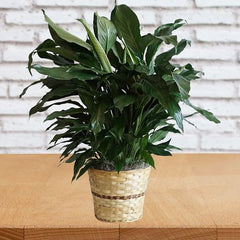

Los gerentes siempre están buscando formas de aumentar la productividad del personal y mejorar las condiciones laborales. Sin embargo, estos esfuerzos no necesariamente tienen que ser costosos. A menudo, agregar algunas flores u plantas de oficina aquí y allá es una solución económica y muy efectiva.
Las plantas marcan la diferencia en las oficinas porque mejoran la calidad del aire y reducen el estrés. Las personas a menudo se sienten más a gusto cuando están cerca de ellas, lo que les ayuda a concentrarse mejor y mejora su bienestar. Las flores también pueden reducir el número de días de baja por enfermedad que las personas toman, lo que significa que estas adiciones a menudo se pagan solas.
Esta guía explora las mejores plantas y flores de oficina para incluir en su lugar de trabajo. Luego, ofrece algunos consejos para incorporar plantas en su oficina y cómo puede aprovecharlas al máximo.
Las mejores plantas y flores de oficina

Entonces, ¿cuáles son las mejores plantas de oficina?
Orquídea Phalaenopsis
En la parte superior de la lista de flores corporativas se encuentra la enigmática orquídea phalaenopsis. Esta especie viene en varios colores y tiene una apariencia llamativa. Todo lo que requiere para sobrevivir es algo de luz indirecta y un riego cuidadoso, por lo que no necesita un programa de mantenimiento riguroso.
A los trabajadores les encanta el hecho de que la orquídea phalaenopsis puede elevar la moral y hacer que se sientan mejor con el día que tienen por delante. Eleva naturalmente el lugar de trabajo y hace que las personas se sientan más ligeras.
Pothos
Otra adición a la oficina es el pothos. Esta planta tiene enredaderas con hojas variegadas, que se ven diferentes a la mayoría de las otras opciones.
El pothos funciona en oficinas porque puede sobrevivir en condiciones de poca luz. También crece sin ayuda y no requiere mantenimiento más allá de la poda ocasional.
A los oficinistas les gusta esta planta porque combina con una decoración alegre y limpia el aire. Puede suavizar la estética áspera, haciendo que los empleados se sientan más cómodos en el trabajo.
La desventaja es su toxicidad para las mascotas si se ingiere. Por lo tanto, evite esta especie si permite que los trabajadores traigan a sus gatos y perros a la oficina los viernes.
Planta ZZ
La planta ZZ también es una opción para las oficinas. Esta planta es especial por sus hojas compactas de color verde intenso y su capacidad para sobrevivir con un mínimo de luz solar y riego. A pesar de su resistencia, puede mantenerse exuberante y verde durante semanas y meses.
La planta ZZ es más popular en oficinas de bajo mantenimiento. Las empresas de servicios a menudo la utilizan para reducir sus costos de funcionamiento mientras siguen proporcionando a los clientes mucha vegetación para mantenerlos contentos. También es una de las plantas de interior más atractivas que existen.
Lavanda
La lavanda es otra opción para las empresas que desean mantener sus oficinas fragantes. Estas plantas tienen características flores moradas, a veces a lo largo del tallo principal y otras veces en la punta (dependiendo del cultivar).
La lavanda necesita más mantenimiento que las otras plantas de esta lista, pero ofrece beneficios únicos debido a su aroma. La fragancia de las flores reduce el estrés, lo que conduce a una mejor concentración y un menor riesgo de agotamiento. A pesar de su pungencia, también es segura para las mascotas en pequeñas cantidades, por lo que mordisquear no es un gran problema.
Margarita Gerbera
La margarita gerbera viene en varios tonos brillantes, incluyendo rosa, amarillo y rojo. Es una opción de alto mantenimiento (por eso no se ve mucho en las oficinas), pero también tiene un mayor impacto visual.
Las mejores exhibiciones en el lugar de trabajo alinean las margaritas gerbera en cajas largas colocadas junto a ventanas con riego automático. Muchos empleados encuentran que la planta los hace sentir más alegres y menos estresados. La flor es 100% no tóxica, aunque puede presentar un riesgo de alergia para personas sensibles.
Sansevieria (Planta Serpiente)
Una planta de serpiente también es una opción para la oficina. Ofrece hojas altas en forma de espada con patrones interesantes, dándole un atractivo profesional, casi corporativo.
Las plantas de serpiente requieren poco mantenimiento porque están acostumbradas a vivir en suelos forestales. Pueden prosperar en condiciones de poca luz, como otras suculentas, y no necesitan mucho riego. A diferencia de muchas plantas, es poco probable que las encuentres muertas después de las vacaciones de verano y aún pueden eliminar toxinas del aire, a pesar de sus modestos metabolismos. Muchas oficinas las usan para reducir los olores de las impresoras de inyección de tinta y los retardantes de fuego.
Lirio de la Paz
El lirio de la paz es otra planta que a menudo se ve en interiores, especialmente en oficinas. Su característica principal son sus grandes y densas hojas verdes, pero también puede producir flores en forma de vela que aparecen de tres o cuatro a la vez.
Los lirios de la paz son populares en las oficinas porque pueden eliminar compuestos tóxicos del aire como el benceno y el formaldehído. Estos son comunes en los materiales de construcción y el mobiliario. Por ejemplo, el formaldehído se usa a menudo en adhesivos y resinas para productos a base de madera, como contrachapado y aglomerado. También se encuentra en varias telas, que pueden filtrarse al medio ambiente en pequeñas cantidades con el tiempo. Mientras tanto, el benceno, un conocido carcinógeno, se encuentra en pegamentos, pinturas y ceras para muebles, que también son comunes en los materiales de mobiliario de los lugares de trabajo.
Palmera Areca
También podría experimentar con la palma areca si desea que su oficina tenga un toque más tropical. A estas plantas les encantan los espacios de trabajo luminosos y aireados, pero no requieren mucha agua.
El principal beneficio para la productividad de esta planta es su capacidad para reducir la sequedad que contrarresta el aire acondicionado. Humidifica naturalmente, haciendo que el ambiente sea más cómodo para la mayoría de los trabajadores.
También tiene una estética energizante. Muchos trabajadores no pueden esperar para llegar a sus escritorios cuando esta planta está cerca.
Anthurium
El Anthurium es otra planta que vale la pena considerar para la oficina. Aunque le gusta estar en áreas luminosas, puede prosperar con luz indirecta y solo requiere riego cuando la tierra se seca.
A la gente le gusta trabajar junto al Anthurium por sus flores brillantes y atractivas. Estas levantan el ánimo y también purifican el aire, lo que contribuye a la salud en el lugar de trabajo.
Aspidistra (Planta de Hierro Fundido)
Las plantas de hierro fundido son bastante diferentes. Tienen hojas oscuras y resistentes y crecen erguidas, con muchas de las mismas adaptaciones a condiciones duras que las suculentas. No necesita regarlas regularmente y puede salirse con la suya colocándolas en áreas con poca luz.
Las plantas de hierro fundido reciben su nombre por su capacidad para sobrevivir en condiciones interiores difíciles. Los victorianos inventaron el término cuando los londinenses se dieron cuenta de que la especie podía prosperar en sus cocinas y salas de estar húmedas. No son tóxicas y se especializan en purificar el aire.
Zinnias
Menos conocidas son las zinnias. Estas plantas tienen flores parecidas a las margaritas de color rosa, naranja o blanco, lo que les da una sensación brillante y primaveral.
Son adecuadas para la oficina, pero requieren luz adicional y riego regular en comparación con la mayoría de las especies de esta lista. Aun así, sus vívidos colores suelen ser insustituibles para aumentar la productividad y la creatividad. Muchas empresas las utilizan en espacios de descanso para mejorar el proceso de ideación.
Dracaena
Finalmente, puede optar por la dracaena. Las empresas aman esta planta por sus hojas largas y delgadas que combinan bien con la decoración neutra de la oficina.
La evidencia sugiere que la dracaena puede eliminar el xileno de las oficinas, mejorando la calidad del aire para una mejor concentración. Este químico es peligroso porque puede irritar los ojos, la nariz y la garganta, y provocar afecciones como mareos y náuseas, lo que perjudica la productividad. A largo plazo, también puede causar problemas con el sistema nervioso central, por lo que es fundamental reducir al máximo las concentraciones en la oficina.
Cómo agregar plantas a su oficina

Entonces, ¿cómo puede agregar estas plantas a su oficina para obtener el máximo efecto?
Establezca un programa de mantenimiento
Primero, establezca un programa de mantenimiento. Establecer una rutina de cuidado le permite mantenerlas con su mejor aspecto a largo plazo.
Comience asignando responsabilidades entre el personal. Hacer que todos colaboren según un cronograma evita desastres.
También puede contratar empresas externas de gestión de oficinas para que hagan esto por usted. Pueden regar y alimentar su vegetación según sea necesario, además de vaciar las papeleras y aspirar los suelos.
Coloque sus plantas en las áreas correctas
A continuación, piense dónde colocará sus plantas, centrándose en las áreas donde proporcionarán el mayor beneficio. Las especies más pequeñas son las mejores para esquinas y escritorios, mientras que las flores son para áreas de recepción y alféizares de ventanas.
Idealmente, debe hacer coincidir los requisitos de luz de las plantas con su ubicación. Por ejemplo, las plantas con flores brillantes a menudo requieren sustancialmente más luz solar para prosperar. Mientras tanto, las especies más verdes y oscuras, como las suculentas, son las mejores para los lugares sombreados.
Elija variedad
Finalmente, asegúrese de variar las plantas que añade a sus espacios de oficina. Combinarlas a menudo conduce a una mejor estética y una mayor productividad porque se obtienen múltiples beneficios. Por ejemplo, podría añadir Pothos colgantes a sus pasillos y lavanda a sus salas de reuniones.
Ahora ya conoce las mejores plantas y flores de oficina para la productividad

Enhorabuena por llegar al final de esta guía. A estas alturas, ya debería tener una mejor idea de las plantas que debe incluir en su oficina para aumentar la productividad. Lo interesante es cómo cada especie ofrece algo nuevo. Algunas plantas hacen que el personal se sienta más relajado, mientras que otras mejoran la productividad al mejorar la calidad del aire.
Encuentre las mejores plantas y flores para trabajadores de escritorio hoy mismo en James Cress Florist y vea cómo podría marcar la diferencia en su empresa.


