




A flower subscription is exactly what it sounds like: fresh flowers delivered on a repeating schedule, so there's always something blooming on the table without anyone placing a new order. You pick how often the bouquets arrive, a florist designs each one, and the deliveries keep coming until you pause or cancel. Simple idea, but there are real differences between services, and a few things worth knowing before you sign up. This guide covers how flower subscriptions work, what actually shows up at the door, what they tend to cost, and when a subscription beats placing a single order at a time.
What Is a Flower Subscription?
Think of it as a standing order with a florist. Instead of buying a single bouquet for a birthday or an anniversary, you set up recurring deliveries of fresh blooms on a schedule that suits you: weekly, every other week, or monthly are the most common options.
Most flower subscriptions are designer's choice. Rather than picking specific stems for every delivery, you let the florist build each bouquet around what's freshest and best that week. Peonies in late spring, sunflowers and dahlias in summer, chrysanthemums in fall. The seasonal variety is a feature, not a compromise. Regulars often say the surprise is their favorite part, since each delivery looks different from the last.
Some services also run a flower of the month club, which is the same concept with a monthly cadence and usually a featured bloom each month. The label differs, the mechanics don't. Either way, the benefits are the same: beautiful flowers on repeat, no reordering, and a house that never goes without color.
How Do Flower Subscriptions Work?
The setup takes a few minutes, and most flower subscription services work the same way from there:
1. Pick your cadence
Weekly plans keep a home or business in constant fresh flowers, since most cut bouquets last seven to ten days with basic care. Bi-weekly plans accept a short bare stretch between deliveries in exchange for a lower total spend. Monthly plans work best as gifts or as a recurring treat rather than nonstop color. Most services let you change cadence later, so nothing here is permanent.
2. Choose a size or budget
Most subscription services come in a few tiers based on the size of the bouquet. Bigger tiers mean more stems and more presence, and the price scales with them. You pay per delivery, and the current price is always listed on the plan page, so you know exactly what you'll pay before you sign up. Decide how much money you want each delivery to represent, match the size to the space it will live in, and pick the tier that fits; you stay in control and can change it later.
3. Set the delivery date and address
Once you've decided on a cadence, you choose where the flowers go and when. Sending a subscription to someone else as a gift works exactly the same way, just use their address. A quick tip from the shop: for a business, schedule deliveries early in the week so the flowers greet customers all week long.
4. The florist takes it from there
Each cycle, a designer builds the bouquet from the freshest flowers available, and it's hand-delivered by a local florist near the recipient. No box left out on a porch in July heat. The flowers arrive at the doorstep arranged, hydrated, and ready to display.
5. Pause, skip, or cancel anytime
Good subscription services flex around real life. Going out of town? Skip a delivery. Need a break? Pause the plan. There's no long-term contract to work around, and you can cancel the subscription whenever it stops making sense.
What Actually Arrives at the Door
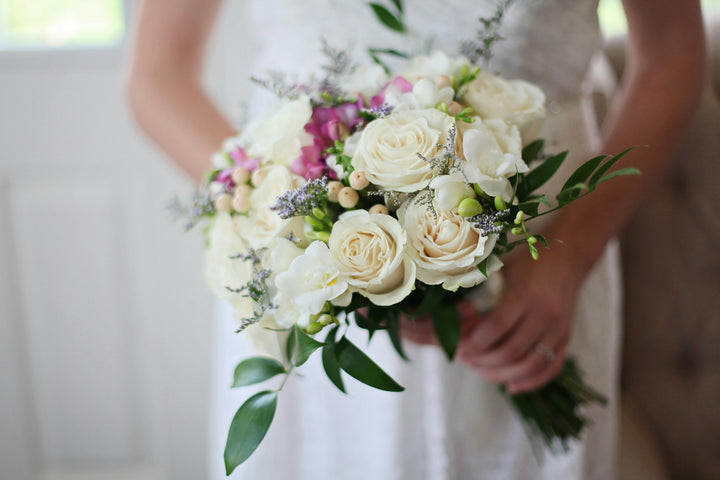
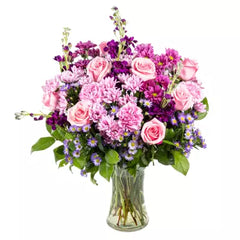
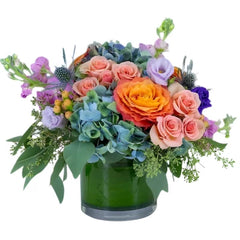
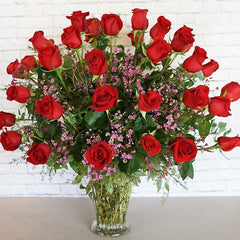
With a florist-run subscription, each delivery is a finished, hand-arranged bouquet, not a bundle of loose stems to trim and arrange yourself. Expect a mix of flowers that follows the season: roses, lisianthus, hydrangea, snapdragons, stock, and greenery in rotating palettes. The beauty of designer's choice is that the recipe keeps changing as different flowers hit peak quality.
Because bouquets are built around what's freshest, substitutions are part of the deal. Our policy, and the standard among good florists, is simple: if a flower isn't available, the designer substitutes one of equal or greater value that keeps the same look and feel. You'll never get a thinner bouquet because a certain stem was out of season.
What Subscription Bouquets Look Like Through the Year
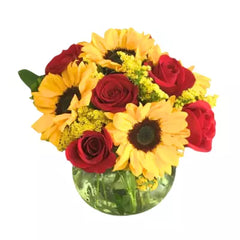
One underrated perk of a flower subscription is that it works like a tour of the growing calendar. Spring deliveries lean on tulips, ranunculus, hyacinth, and peonies, the flowers everyone waits all year for. Summer bouquets go bold: sunflowers, zinnias, dahlias, and garden roses that thrive in the heat.
Fall flowers shift the palette to rust, plum, and amber, with chrysanthemums, marigolds, and textural grasses doing the heavy lifting. Our guide to the best fall flowers is a good preview of what autumn deliveries tend to feature, and our seasonal posts go deeper on each bloom. Winter bouquets bring amaryllis, anemones, evergreens, and berries, and they're often the most dramatic of the year against a gray season.
A subscriber sees all of it without planning any of it. That's a different experience from buying the same dozen roses every time, and for most people it's the thing that turns a first subscription into a long one.
What Does a Flower Subscription Cost?
Nationally, most flower subscriptions run somewhere between $40 and $150 per delivery depending on bouquet size, flower quality, and which service is doing the arranging. Grocery store services sell budget bunches at the affordable low end. Full-service florist bouquets, designed and hand-delivered, sit higher because you're paying for design work and fresher stems, not just flowers in a sleeve and packaging.
Two things to check before you subscribe, whatever service you choose: the per-delivery price against the size of the bouquet in photos from real customers, and the pause and cancellation terms. A subscription that's easy to skip is a subscription you'll keep longer. We keep current pricing for every tier on our monthly flower subscriptions page rather than printing it here, since plans and pricing get updated.
Are Flower Subscriptions Worth It?
Honest answer from a shop that sells both single bouquets and subscriptions: it depends on how often you'd buy flowers anyway. The easiest way to decide is to count how many bouquets you bought in the last few months.
A flower subscription is worth it if fresh flowers are already a habit. Buying a $60 bouquet every week or two without a plan usually costs more per bouquet than a subscription tier of the same size, and you have to remember to make the purchase every time. The standing order removes the friction and often the premium, which is why so many customers who start with one delivery decide to repeat it on a schedule.
It's also the easiest way to handle recurring occasions. Flowers for the office lobby, weekly bouquets for a restaurant's host stand, or a monthly delivery to a mom who lives far away all fit a subscription better than a string of one-off orders.
Where a subscription is the wrong tool: single occasions. One birthday, one apology, one congratulations calls for one great bouquet, and a single order covers it. For those, browse fresh flower arrangements and order the day you need them. And here's the trade-off nobody mentions: around peak holidays, every florist's designers are handling a large number of orders and one-off prices reflect that demand. Subscription deliveries are planned ahead, so subscribers get consistent quality in exactly the weeks when single orders are hardest to fill. If you only ever send flowers twice a year, though, skip the plan and just order well.
Local Florist Subscriptions vs. Farm Fresh Flowers by Mail
Most national flower subscription services work one way: farm bunches get cut, boxed, and sent through a carrier, and the recipient unpacks, trims, and arranges the stems. That model has real advantages, mainly price, and the farm fresh flowers angle is genuine since stems can move quickly from field to box. Their customers pay less and do the arranging themselves.
A florist-run flower subscription works differently. A designer near the recipient arranges the flowers by hand and delivers them personally, in water, ready for the table. It costs more per delivery, and the difference goes toward three things: professional design, no transit days inside a dark box, and a person at the door instead of a package on the step. For gifts especially, that last part matters. There's a reason people remember who handed them flowers.
We're a family florist and have been since 1903, so we're not neutral here. But the practical guidance holds either way: choose a box service to keep DIY stems cheap and frequent if you enjoy arranging, and choose a local florist subscription when you want each delivery to feel like a finished gift. Both keep a community florist or farm in business, which is a nice touch in itself.
Our Subscription Plans
James Cress Florist runs three recurring plans, all designer's choice and all hand-delivered:
- Weekly Floral Subscription: a fresh bouquet every week, sized to your tier. The pick for homes and businesses that want constant color.
- Bi-Weekly Floral Subscription: a new design every other week. The best balance of freshness and budget for most households.
- Monthly Healing Eucalyptus Shower Subscription: not a bouquet at all. A monthly bundle of fresh eucalyptus to hang in the shower, where the steam releases its scent. A favorite gift for people who claim they can't keep flowers alive.

Every plan can be sent to yourself or to someone else, and you can pause or cancel anytime. Current pricing for each is on the monthly flower subscriptions collection page.
Top Picks by Situation
If you want a shortcut, here's how we'd match a plan to the most common situations we see in the shop:
Best for a fresh-flower home
The weekly plan. There's no gap between bouquets, and the kitchen table or entry console always has something outstanding on it. If weekly feels like too much, bi-weekly still keeps the house feeling cared for at a lower spend.
Best for an office or business
Weekly, delivered Monday or Tuesday. Fresh flowers in the lobby quietly tell customers someone is paying attention to the details. Restaurants, salons, medical offices, and real estate offices are our most frequent subscribers for exactly that reason.
Best as a gift
The monthly cadence. Twelve deliveries create twelve separate moments of surprise across a year, which no single gift can match. It suits a milestone birthday, a new home, a wedding gift, or a long-distance thank you to a parent or grandparent.
Best for the low-maintenance recipient
The eucalyptus shower plan. No vase, no water changes, no pressure to have good taste in flowers. Hang it, shower, done.

How to Keep Fresh Flowers Looking Good Between Deliveries
A little care stretches every delivery and makes the whole subscription feel like a better value. Three habits are enough, and they're convenient enough to actually keep up. Re-cut the stems at an angle when the bouquet arrives if it comes hand-tied, or top off the vase on day one if it arrives in water. Change the water every two or three days, since clean water does more for freshness than any packet of food. Keep the flowers out of direct sun and away from heat vents and ripening fruit, both of which age blooms faster.
Do that, and most bouquets will still look full when the next delivery shows up. If a delivery ever arrives below the standard you expect, tell your florist. A good service wants the feedback and will make it right; that's the whole point of buying from people who create the arrangements themselves.
Making a Subscription Feel Personal
A recurring delivery doesn't have to feel automatic. A few ways subscribers make each arrival feel chosen:
Tie it to their birth flower. Every month has its own bloom with its own meaning, and asking your florist to feature it makes a monthly delivery feel like it was designed for one person. Our birth flowers by month guide covers all twelve.
Add a note to the first delivery. The first arrival sets the tone for the whole gift. A short handwritten message explaining that more flowers are coming turns a nice surprise into a months-long one. For ideas on matching blooms to the person, our guide to birthday flowers by personality works just as well for subscriptions.
Share preferences with the shop. Designer's choice doesn't mean no input. Tell us a favorite color, a favorite flower, or an allergy, and we customize every future bouquet with that in mind. That kind of standing customization is exactly what a local shop can do that an assembly line can't.
How to Start One
Pick a cadence, pick a size, add the delivery address, and check out once. It's convenient by design: the subscription renews on its own from there, and you manage everything from your account. If you want flowers today rather than on a schedule, same-day flower delivery covers that: order by 2:00 PM Monday through Saturday, or 12:00 PM on Sunday, in the recipient's local time zone, and a local florist hand-delivers the same day.
Fresh flowers change a room. A flower subscription just makes sure that keeps happening without anyone having to remember. Browse our flower subscription plans and pick the rhythm that fits.