





Every month of the year has its own birth flowers, and most months claim two. Like birthstones, birth flowers are a tradition with roots in ancient Rome, where flowers played a part in birthday celebrations and offerings. Each bloom carries its own meaning, from the loyalty of the January carnation to the warmth of the October marigold. If you want a birthday gift that feels personal without any guesswork, the birth month flower is the easiest shortcut there is.
This guide covers all 12 birth flowers by month, what each one symbolizes, and which ones translate into a real bouquet a florist can actually deliver. Every month also links to a deeper guide if you want the full story behind your bloom.
What Are Birth Flowers?
Birth flowers are the blooms tied to each birth month, the floral cousin of the month's birthstone. Each one carries special meanings that people have attached to these blooms for centuries. Romans marked birthdays with flowers, and the Victorians later formalized the idea through floriography, their language of flowers, where every stem sent a coded message. Over time each month picked up a primary flower and a secondary one, which is why most months have two birth flowers.
The lists vary a little by country and by florist, but the pairings below are the ones most widely used in the United States.
Birth Flowers by Month: Quick Reference Table
| Month | Primary Flower | Secondary Flower | Meaning |
|---|---|---|---|
| January birth flowers | Carnation | Snowdrop | Loyalty, devotion, hope |
| February birth flowers | Violet | Primrose | Modesty, faithfulness, young love |
| March birth flowers | Daffodil | Jonquil | New beginnings, rebirth |
| April birth flowers | Daisy | Sweet pea | Innocence, purity, gratitude |
| May birth flowers | Lily of the valley | Hawthorn | Sweetness, humility, happiness |
| June birth flowers | Rose | Honeysuckle | Love, passion, devoted affection |
| July birth flowers | Larkspur | Water lily | Open heart, positivity, purity |
| August birth flowers | Gladiolus | Poppy | Strength of character, imagination |
| September birth flowers | Aster | Morning glory | Wisdom, love, affection |
| October birth flowers | Marigold | Cosmos | Warmth, creativity, harmony |
| November birth flowers | Chrysanthemum | Peony (alternate) | Friendship, joy, longevity |
| December birth flowers | Narcissus | Holly | Hope, good wishes, protection |
Monthly Birth Flowers and Their Meanings
January Birth Flowers: Carnation and Snowdrop
The carnation is the classic flower of January, among the oldest flowers in cultivation, grown for over 2,000 years, and their spicy clove scent is unmistakable. Carnations stand for loyalty and devotion, with each color adding its own note. Pink carnations say gratitude, while red leans toward admiration. Snowdrops push up through frost before winter ends, which made them a natural symbol of hope. Read the full guide to January's carnations and snowdrops.

February Birth Flowers: Violet and Primrose
February babies get the violet, a small purple bloom the ancient Greeks prized and used in everything from medicine to wine. It stands for modesty, faithfulness, and wisdom. The primrose, its partner, signals young love. Here's the full guide to February's violets and primula.
March Birth Flowers: Daffodil and Jonquil
Daffodils are the first big yellow announcement that spring has arrived, so their meaning of new beginnings and rebirth fits perfectly. The jonquil is a close cousin in the same narcissus family, which traces its name to Greek mythology. The full story is in our March daffodil guide.
April Birth Flowers: Daisy and Sweet Pea
The daisy, with its white petals around a sunny center, has meant innocence and purity for centuries. Sweet peas add gratitude and blissful pleasure, plus one of the best fragrances in the garden. Both get their due in the April daisies and sweet peas guide.
May Birth Flowers: Lily of the Valley and Hawthorn
Lily of the valley hangs tiny white bells along a slim stem and smells far bigger than it looks. It represents sweetness, humility, and the return of happiness. Hawthorn, a flowering tree, carries hope. More in the May lily of the valley guide.
June Birth Flowers: Rose and Honeysuckle
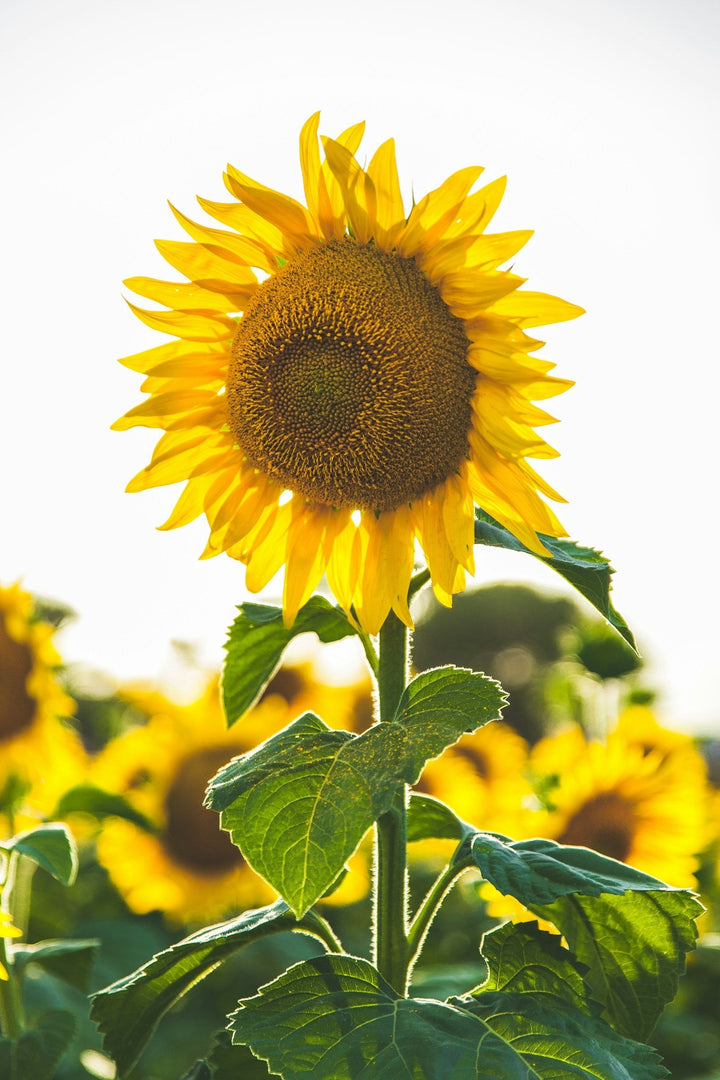
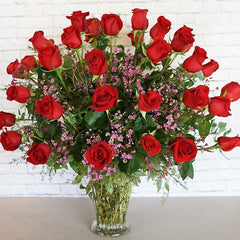
June claims the rose, the most gifted flower on earth, with a meaning for every shade from love to friendship. Honeysuckle brings devoted affection and a sweetness you can smell across a yard. Dig into the June roses and honeysuckle guide.
July Birth Flowers: Larkspur and Water Lily
Larkspur, part of the delphinium family, sends up tall spires of blue, purple, pink, or white blooms and stands for an open heart and positivity. The water lily adds purity and enlightenment. Both are covered in the July larkspur guide.
August Birth Flowers: Gladiolus and Poppy
The gladiolus takes its name from the Latin word for sword, and its tall spikes stand for strength of character and integrity. Poppies bring imagination and remembrance. Read the August gladiolus guide for care tips too.
September Birth Flowers: Aster and Morning Glory
Asters bloom across the northern hemisphere in late summer and take their name from the Greek word for star, which is exactly what the layered petals look like. September's aster means wisdom and love. Morning glory, which opens fresh each day, stands for affection. The September aster and morning glory guide has the full history.

October Birth Flowers: Marigold and Cosmos
Marigolds burn orange and yellow right through fall and carry meanings of warmth, creativity, and passion. Cosmos symbolize harmony and order, a calm counterpoint. More in the October cosmos and marigold guide.
November Birth Flowers: Chrysanthemum
November keeps it simple with the chrysanthemum, a flower of friendship, joy, and long life that has been bred into hundreds of forms. Some lists add the peony as an alternate. The November chrysanthemum guide sorts the colors and meanings.
December Birth Flowers: Narcissus and Holly
December's narcissus, usually the paperwhite narcissus, blooms indoors in the middle of winter and stands for hope and good wishes. The holly plant, with its glossy leaves and red berries, adds protection and prosperity. Details in the December narcissus and holly guide.
Which Birth Flowers Work as a Real Bouquet?
Here's the honest part most birth flower lists skip: about half of these blooms are actual florist stems, and half are not. Carnations, daffodils, daisies, roses, gladiolus, larkspur, asters, and chrysanthemums are staples any good florist keeps in the cooler. Snowdrops, hawthorn, morning glory, water lilies, and holly are garden and wild plants, not cut flowers you can order in a vase.
So swap smart. For a January birthday, paperwhites or white ranunculus capture the snowdrop look. For July, tall blue delphinium delivers everything the water lily can't. For September, a full bunch of purple asters beats wilted morning glory every time. And a December bouquet of red roses with evergreen and berries reads as holly without the prickle.
If you'd rather skip the botany homework, our birthday flower arrangements are built from blooms that hold up in a vase, and the top 10 birthday flowers guide ranks the most loved picks. And if you want their birth flower to arrive more than once a year, a flower subscription can feature it in every delivery.
How to Choose a Birthday Bouquet by Birth Month
Start with the birth month flower, then bend it toward the person. Beauty matters, but so does the story behind the stems, and loved ones notice when a bouquet means something. If your April friend loves bold color, a daisy bouquet with hot pink accents beats a plain white one. If the meaning matters more than the exact bloom, borrow it: any flower given for loyalty or friendship carries the message. Pairing the bouquet with the month's birthstone color is another easy trick, like violet blooms with February's amethyst.
We've been arranging birthday flowers since 1903, and every bouquet is hand-delivered by a local florist near you, never boxed. Same-day delivery works for orders placed by 2:00 PM Monday through Saturday, or 12:00 PM on Sunday, in your recipient's local time zone. Browse all our flowers whenever you're ready.
Birth flowers turn a nice gesture into a personal one, a little natural beauty with a message attached. Find the month, learn the meaning, and send a bouquet with a story built in.