


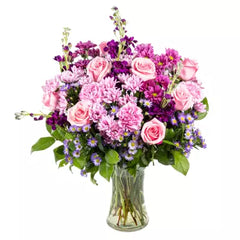
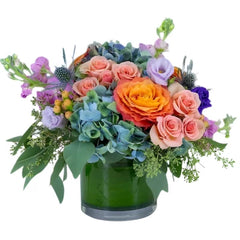


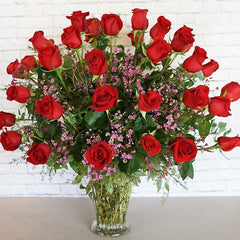


In times of loss, words often fall short. That’s why flowers have long been used to express what’s felt in the heart. Whether you’re sending condolences to a grieving friend or choosing a floral tribute for a funeral, understanding sympathy flowers etiquette can help you navigate a sensitive moment with grace and compassion.
At James Cress Florist, we understand how deeply personal these gestures are. With over a century of floral experience, we’re here to help you choose the right arrangement that honors both the memory of the departed and the emotions of those left behind.
This guide walks you through what to send, when to send it, and how to ensure your floral gesture is both meaningful and appropriate. From funeral flower etiquette to the symbolic meaning behind specific blooms, we’ll help you express sympathy with the beauty and care it deserves.

Why Flowers Are a Thoughtful Way to Express Sympathy
Sending flowers during a time of loss is a timeless tradition. Across cultures and generations, flowers have symbolized comfort, peace, and the enduring nature of love. While each arrangement is temporary, the sentiment it carries can leave a lasting impression on the hearts of those grieving.
Condolence flowers offer more than just visual beauty; they create a quiet space for reflection and connection. A bouquet of white lilies or soft pink roses can speak volumes when words feel inadequate. For families navigating grief, the presence of flowers reminds them they are not alone.
At James Cress Florist, we take pride in offering elegant, hand-crafted sympathy arrangements designed to honor the life of the departed and support those mourning. Whether placed at a service or sent directly to the family’s home, flowers have the power to comfort, uplift, and gently express what often can’t be said aloud.
Sympathy Flowers vs. Funeral Flowers: What’s the Difference?
Though often used interchangeably, sympathy flowers and funeral flowers serve different purposes and are sent to different places.
Funeral flowers are typically larger arrangements like casket sprays, standing wreaths, or crosses. These are delivered directly to the funeral home, church, or gravesite and are meant to honor the deceased during a memorial or funeral service. Immediate family members often choose these pieces, but close friends and coworkers can also send appropriate designs.
Sympathy flowers, on the other hand, are usually smaller, more personal arrangements such as bouquets, dish gardens, or plants that are sent to the home of the grieving family. These are appropriate before or after the service and are designed to provide comfort and show ongoing support.
Understanding funeral flower etiquette helps you choose a respectful tribute, while following sympathy flowers etiquette ensures your gesture brings comfort without overwhelming during a difficult time. If you’re unsure which is most appropriate, our compassionate florists at James Cress are always here to help you select the right arrangement with sensitivity and care.
What to Send Based on Relationships
Choosing the right condolence flowers often depends on your relationship to the deceased or their family. Thoughtful, appropriate selections help ensure your tribute is both respectful and well-received.
For immediate family
If you’re a spouse, sibling, child, or parent of the deceased, you may wish to send or organize more prominent arrangements like casket sprays, standing wreaths, or floral crosses. These traditional funeral designs are placed near the casket and serve as central elements of the service. Our florists can help customize these to reflect your loved one’s personality and legacy.
For extended family and close friends
Consider standing sprays, hearts, floral baskets, or easel arrangements. These are usually displayed around the service and can include a sympathy ribbon or card with a personalized message. They are beautiful expressions of support and remembrance.
For coworkers, neighbors, or acquaintances
A smaller sympathy bouquet, peace lily, or orchid is a kind and understated way to express condolences. These are best sent to the family’s home or workplace and can be accompanied by a heartfelt note.
Sending a message
No matter the size or type of arrangement, always include a short condolence message. A few sincere words go a long way in showing support. At James Cress Florist, we offer a wide range of condolence flowers suited for every type of relationship and our team is here to help guide you toward a fitting tribute.
When to Send Sympathy Flowers
Timing can be just as important as the arrangement itself. Understanding sympathy flowers etiquette ensures your gesture is received with warmth and respect.
Before the service
If you’re sending flowers directly to the funeral home, church, or gravesite, aim to have them arrive the day before or morning of the service. This helps ensure the flowers are properly displayed and part of the tribute.
On the day of the service
Same-day delivery is often available and appreciated for last-minute tributes. Just be sure to check with the funeral home for cutoff times and delivery policies.
After the service
Sympathy arrangements or plants sent to the family’s home are always appropriate, even days or weeks after the funeral. In fact, sending flowers after the services have ended can be a meaningful reminder that support continues. Even if time has passed, sending a peaceful bouquet or plant can bring unexpected comfort. At James Cress Florist, our funeral flower etiquette expertise ensures your arrangement arrives at the right time, in the right way.
Flower Types and Their Meanings
When sending condolence flowers, selecting blooms with meaningful symbolism adds a layer of thoughtfulness. Here are some of the most common funeral flowers and their traditional meanings:
- Lilies: Symbolize peace, purity, and the soul’s restored innocence. Often seen in white and ideal for religious services.
- Roses: Each color carries its own meaning: white for reverence, red for love, and pink for grace and admiration.
- Carnations: A popular choice in sympathy arrangements. Red stands for admiration, white for pure love, and pink for remembrance.
- Chrysanthemums: Often used in funeral tributes in Europe and Asia, they represent death and deep mourning, as well as loyalty and grief.
- Orchids: Elegant and long-lasting, orchids represent eternal love and beauty. White or pink are most appropriate for condolences.
- Gladiolus: Tall, graceful stems symbolize integrity, strength of character, and sincerity; qualities that honor a life well lived.
Color matters too. White, cream, lavender, and soft pink are traditionally used for sympathy. Our expert florists at James Cress can help you create arrangements that are both beautiful and rich in meaning.
Sympathy Plants and Alternatives to Traditional Bouquets
While fresh-cut flowers are a timeless choice, sympathy plants and thoughtful alternatives can offer lasting comfort during a time of grief. These options are especially fitting when sent to the family’s home after services have concluded.
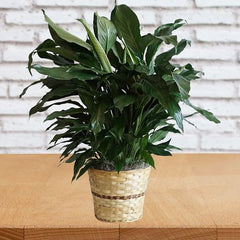
Peace lilies are among the most popular sympathy plants. With their long-lasting greenery and elegant white blooms, they symbolize peace and rebirth. Orchids, bonsai trees, and dish gardens are also meaningful gifts that bring calm and life to a space during a difficult time.
Other unique alternatives include memory lanterns, floral keepsakes, or gift baskets that combine soft snacks and comforting items. These gestures show ongoing support without the formal tone of funeral arrangements.
Plants offer a sense of continuity and care, often thriving well beyond the mourning period. They serve as a quiet reminder of your love and sympathy long after the flowers have faded. James Cress Florist offers a wide selection of sympathy plants and curated gift items that can be delivered locally or nationwide with same-day service available.
Cultural and Religious Considerations
Understanding the cultural or religious background of the grieving family is an important part of funeral flower etiquette. Certain faiths and traditions have specific guidelines, or even restrictions, when it comes to condolence flowers. For example:
- Jewish funerals: Typically do not include flowers at the service. Instead, sending a fruit basket or making a charitable donation is more customary.
- Hindu traditions: Flowers like marigolds are often used, and white is the preferred color for mourning.
- Christian services: Frequently feature white lilies, crosses, and peaceful sprays as part of the ceremony.
- Buddhist traditions: Usually accept white flowers, but red may be seen as inappropriate depending on the sect or region.
If you’re unsure of the family’s preferences, it's always appropriate to ask the funeral home or consult a close family member. Our florists at James Cress are experienced in creating respectful arrangements that honor cultural and religious values. No matter the background, choosing a thoughtful arrangement that respects tradition is a powerful gesture of love and understanding.
Express Sympathy With Care and Confidence
Sending flowers during a time of loss is a meaningful way to show compassion, honor a life well lived, and offer comfort when it’s needed most. By understanding sympathy flowers etiquette and following respectful funeral flower etiquette, you can ensure your gesture is both appropriate and heartfelt.
At James Cress Florist, we’re here to help you express sympathy with care and confidence. From selecting the right condolence flowers to crafting the perfect message, our expert florists are ready to guide you every step of the way. Browse our thoughtfully curated sympathy collection to find elegant arrangements and lasting tributes.
For a living tribute that lasts well beyond the service, see our peace lily meaning and care guide.
Sources
- 12 Facts You Should Know About a Jewish Funeral, Chabad.org.


